
UGT LAB FOR DISCOVERY
From plant metabolites
to UGT functions.
Connecting target metabolites to candidate enzymes through complementary evidence — structure, evolution and biological data in one research frame.
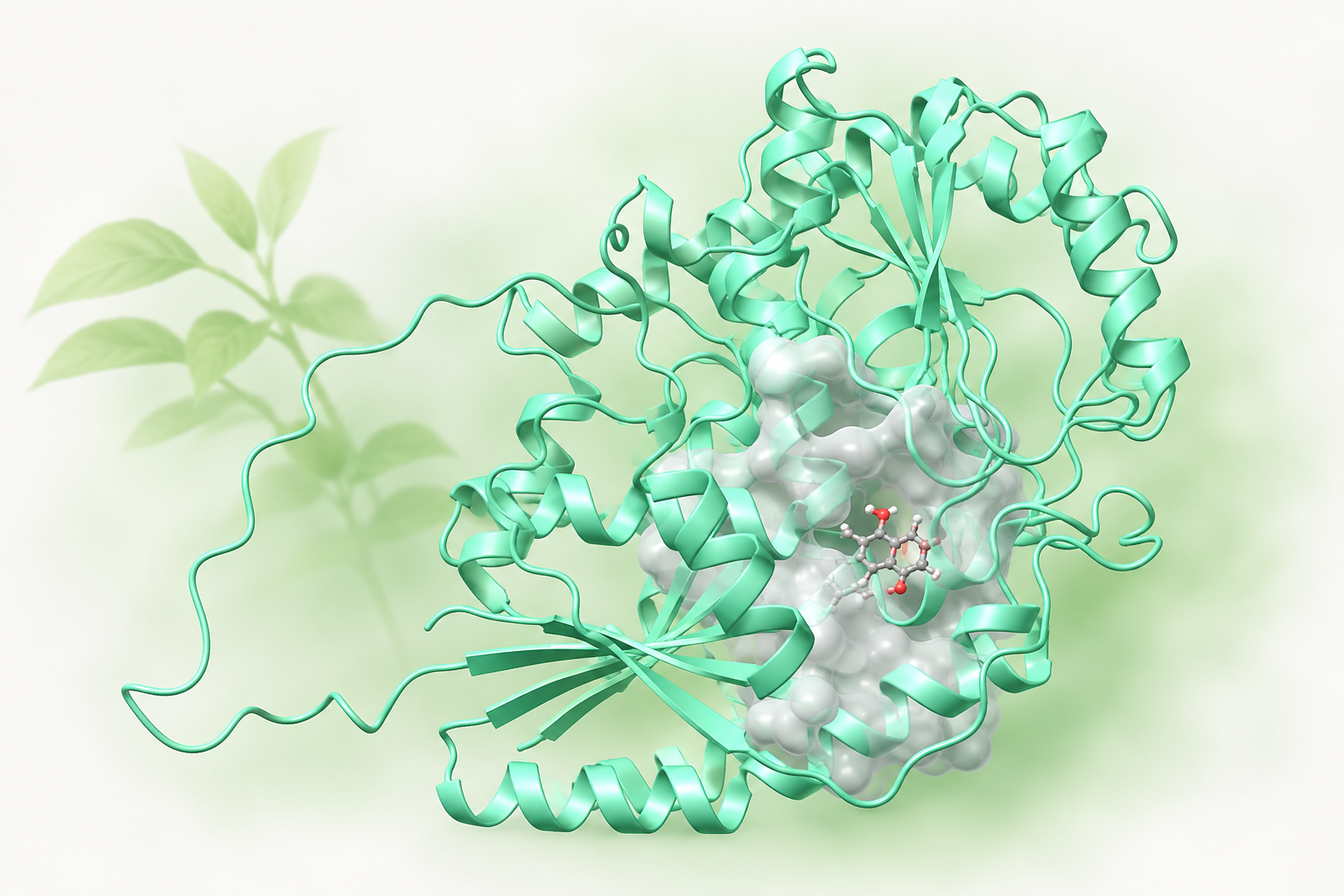
Representative plant UGT structure and substrate-binding pocket.
Workflow
An integrated workflow for UGT function discovery
Connecting target metabolites to candidate enzymes through complementary evidence.
-
01
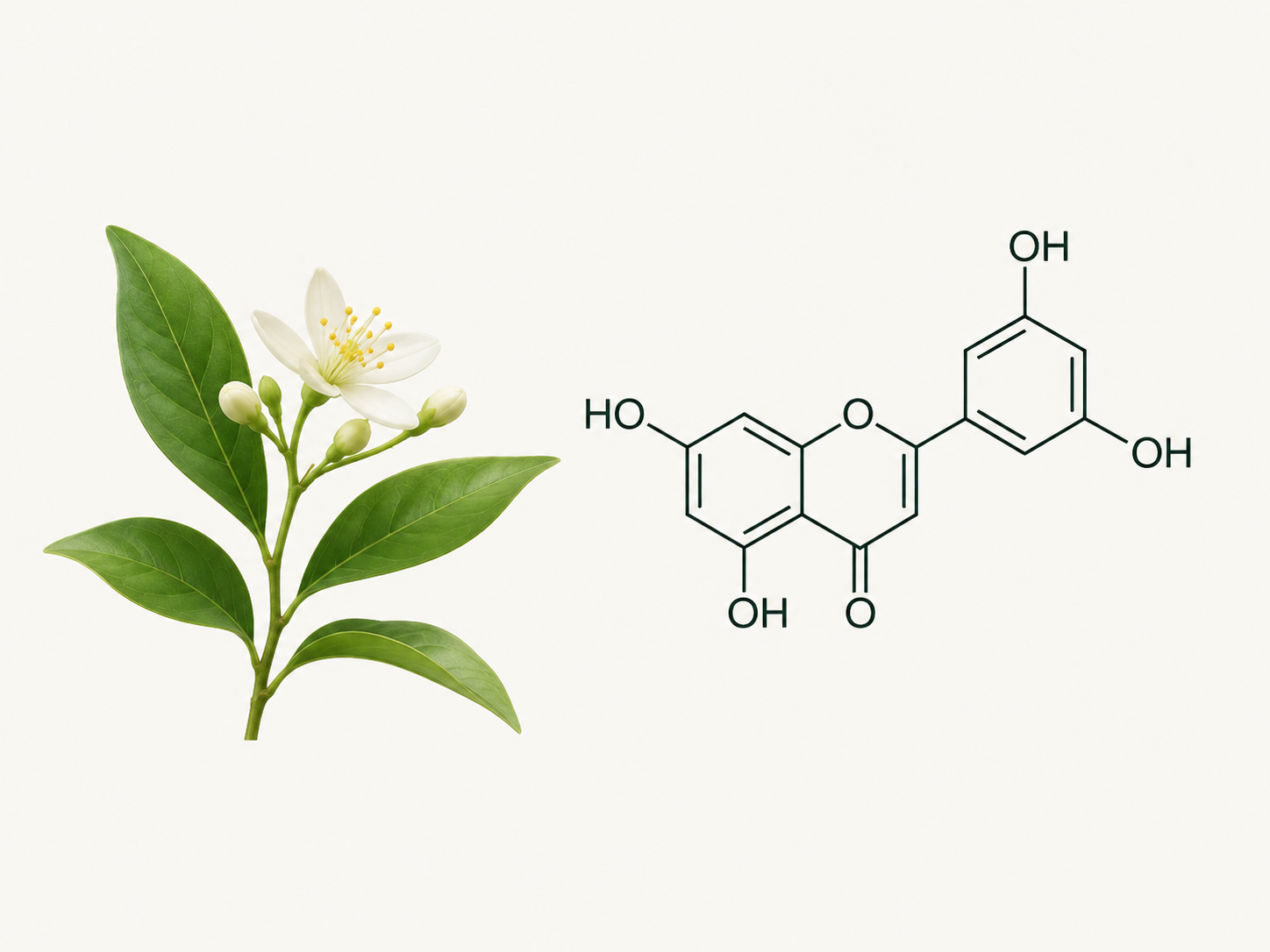
Target metabolite
Define substrate and biological context.
-
02
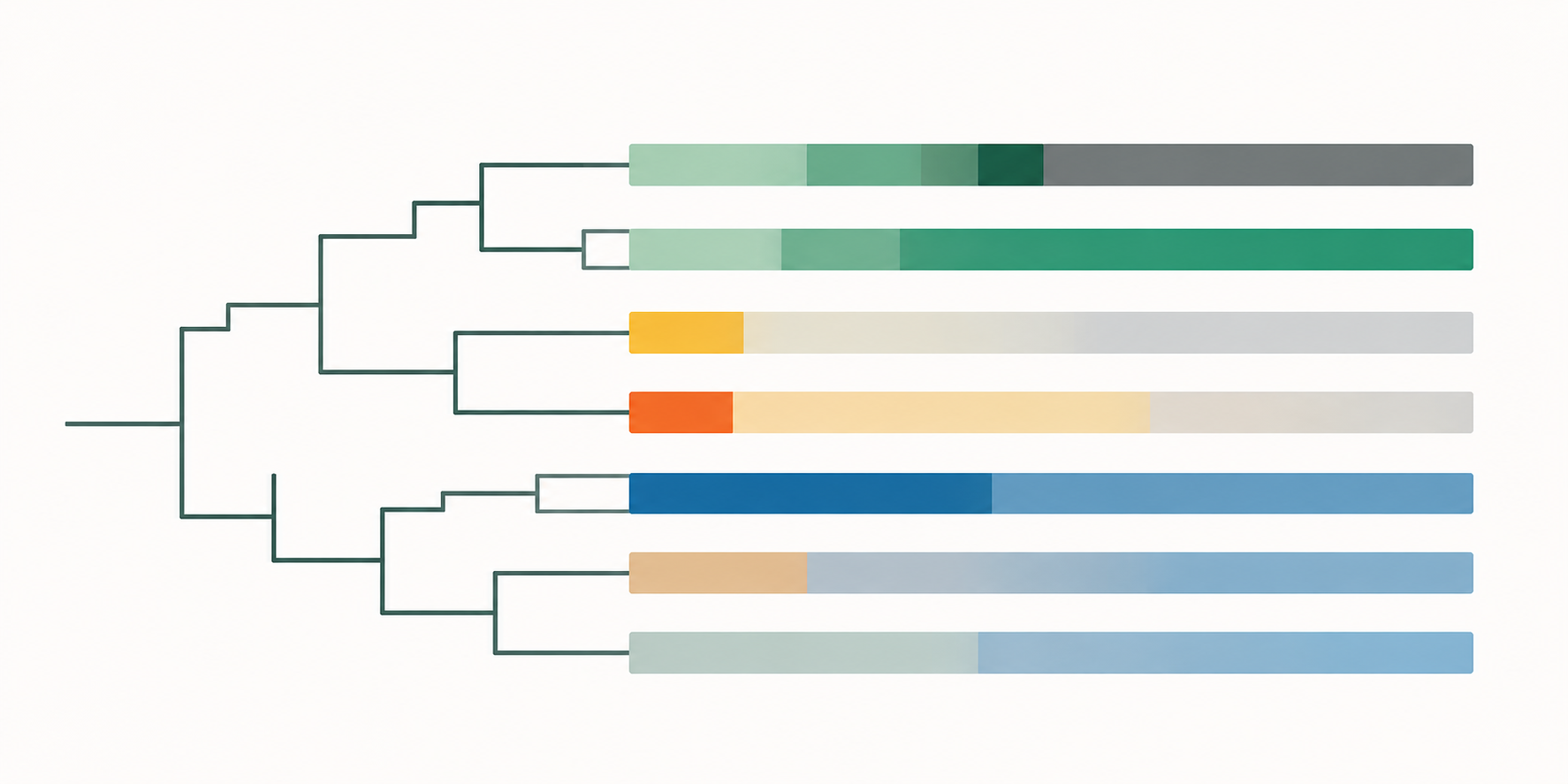
UGT resources
Explore plant UGT families and annotations.
-
03
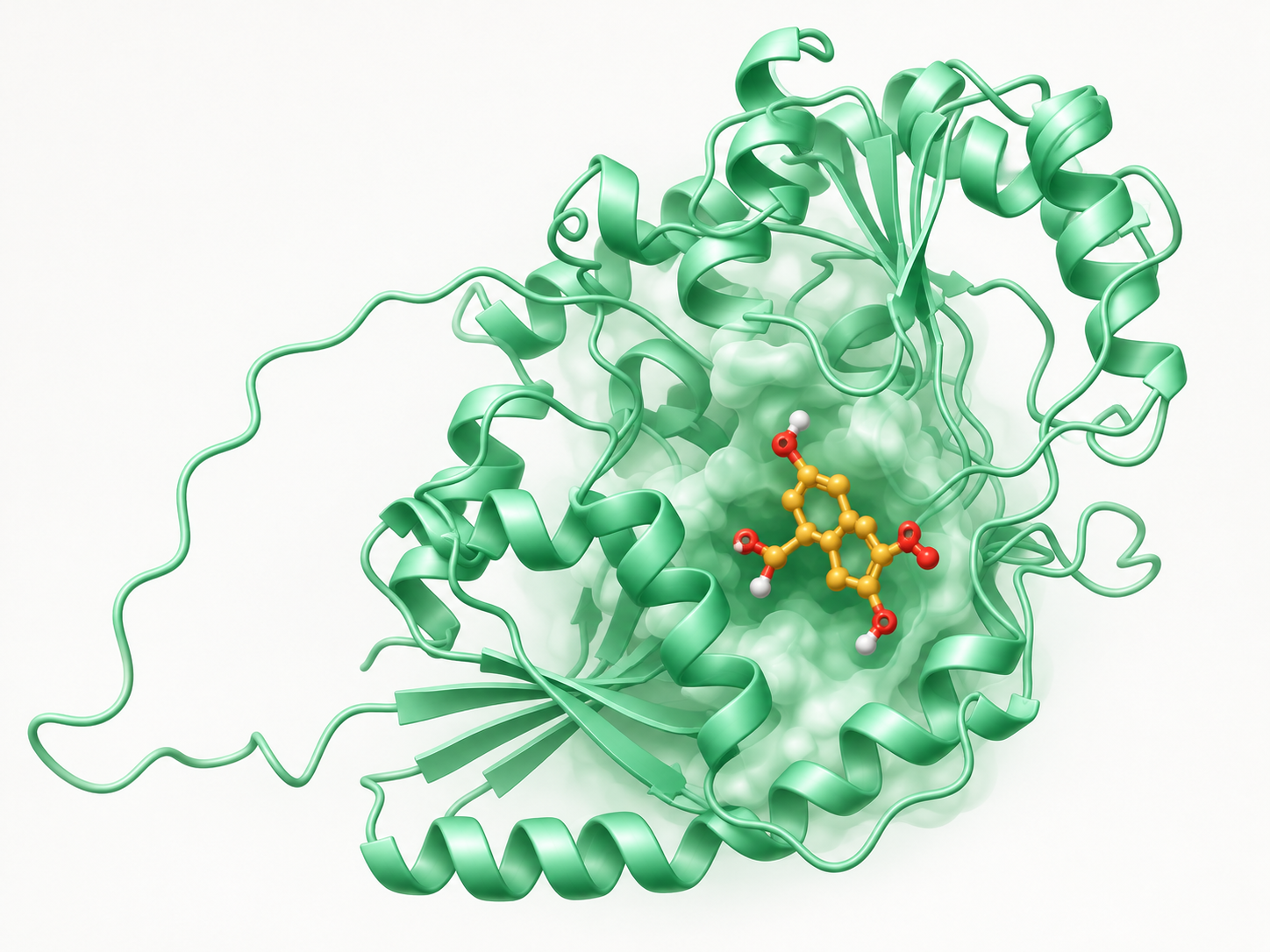
Structure & AI assessment
3D modeling and binding analysis.
-
04
Biological evidence
Expression, phylogeny and literature.
-
05
Candidate prioritization
Integrate evidence and rank candidates.
Workbench
Enough information density for researchers.
Public pages describe capabilities. Real tables, structural results and project status expand inside the Research Workspace.
Enter the candidate space from species panorama, family and annotation.
Review structure sources, donor-first docking and geometry diagnostics.
Bring expression, sample metadata and pathway links back to candidates.
Compare evidence, coverage and your own research decisions.
Public case
Start from a method illustration and know what it is not.
No approved named real case is currently configured. This section uses a generic method illustration; it does not represent experimental findings.
Five steps to narrow candidates while keeping evidence gaps visible
Problem and input, candidate space, three-axis evidence, researcher judgment and reviewable output.
Read method cases- 01Problem & inputSpecies · substrate · donor
- 02Candidate spaceAtlas · Table · source
- 03Three-axis evidenceEvolution · Structure · Biology
- 04Research judgmentCoverage · Priority · Decision
- 05Research outputCompare · Report · Package
Start a study
Understand the method first, then bring your own question.
Learn about inputs, analysis boundaries and output structure. Real research operations require access through the authorized entry point into the Research Workspace.